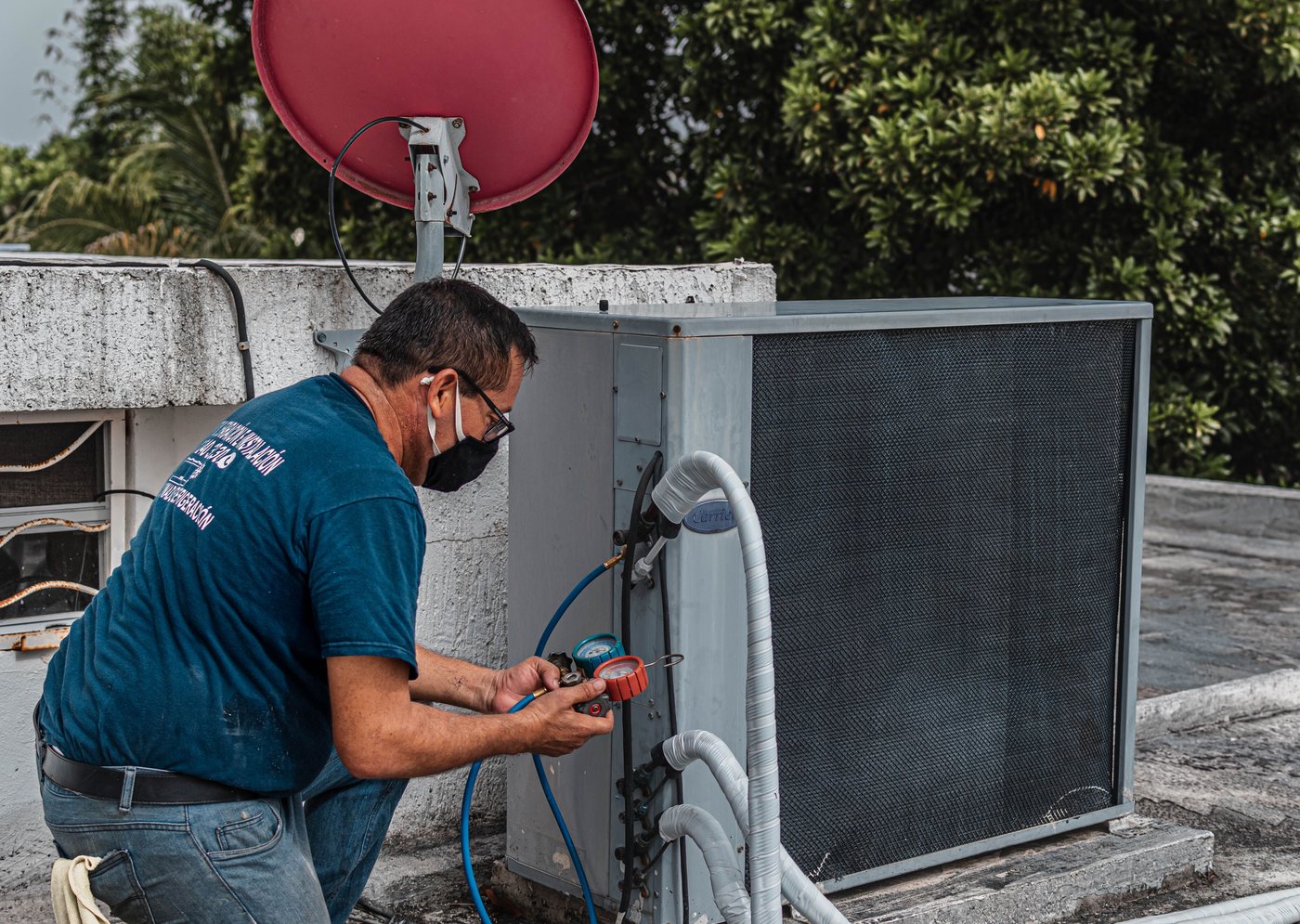
Planning permission for air conditioning depends on the property type, where the outdoor unit will be installed and whether the home has any extra restrictions. London adds another layer because many homes are leasehold flats, conservation-area properties or buildings with strict managing agents.
Houses and permitted development
Some domestic outdoor units may fall under permitted development rules when they meet the required conditions. The safest approach is to check the latest Planning Portal guidance and your local council position before installing. Rules can change, and the detail matters.
Flats, leaseholds and managing agents
For flats, planning is only one part of the question. You may also need freeholder or managing-agent approval because an outdoor unit changes the outside of the building. The building may ask for product data, noise information, a drawing showing location, and proof that the installation route will not damage shared areas.
Conservation areas and listed buildings
If your property is listed, in a conservation area, or in a building with strict external appearance rules, get written guidance before agreeing an installation. A discreet rear or roof position may still need approval.
If you are working with a Victorian terrace or other period home, it helps to review City Air’s separate guide to air conditioning for Victorian terraces in London before finalising a condenser position or pipe route.
Noise and neighbour impact
Even where planning is not the main issue, outdoor unit noise and airflow need careful thought. Units should be positioned with enough clearance, away from sensitive neighbouring windows where possible, and installed on suitable mounts to reduce vibration.
Useful official checks: Planning Portal heat pump guidance and GOV.UK F-Gas guidance.